Java Image Processing Library
Resize, crop, rotate, watermark, and convert images in Java. Pure Java, no native dependencies.
Manipulate images in Java using a couple of lines of code
Find out ALL manipulation operations in JDeli here
ImageProcessingOperations operations = new ImageProcessingOperations();

// You can chain several operations here such as scale, blur, etc
operations.blur();

// Apply the operations to a BufferedImage
BufferedImage modifiedImage = operations.apply(BufferedImage originalImage);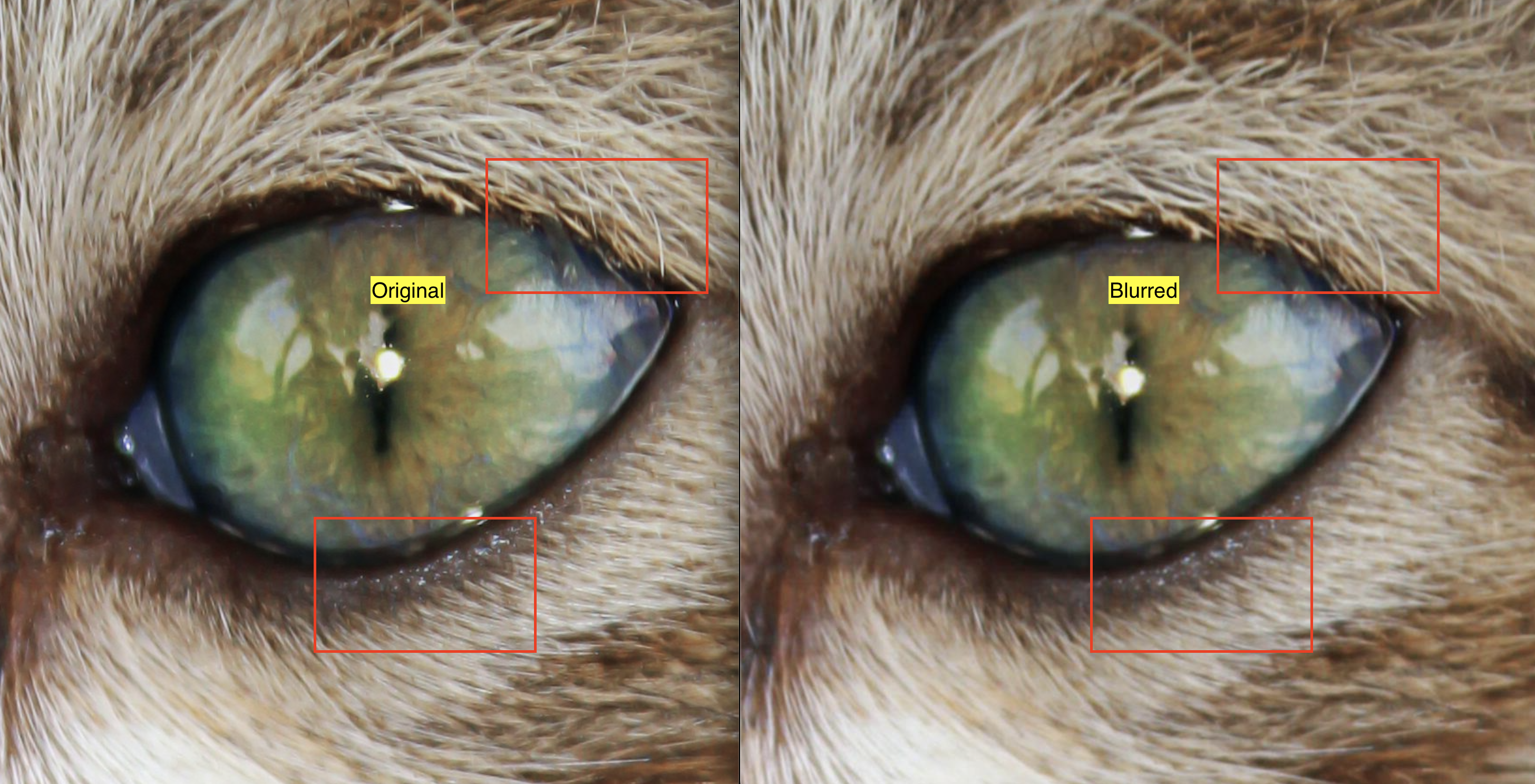
Image blurring
ImageProcessingOperations operations = new ImageProcessingOperations();

// You can chain several operations here such as scale, blur, etc
operations.crop(new Rectangle(10, 10, 100, 150)); // crop to a 100x150 rectangle at position 10,10

// Apply the operations to a BufferedImage
BufferedImage modifiedImage = operations.apply(BufferedImage originalImage);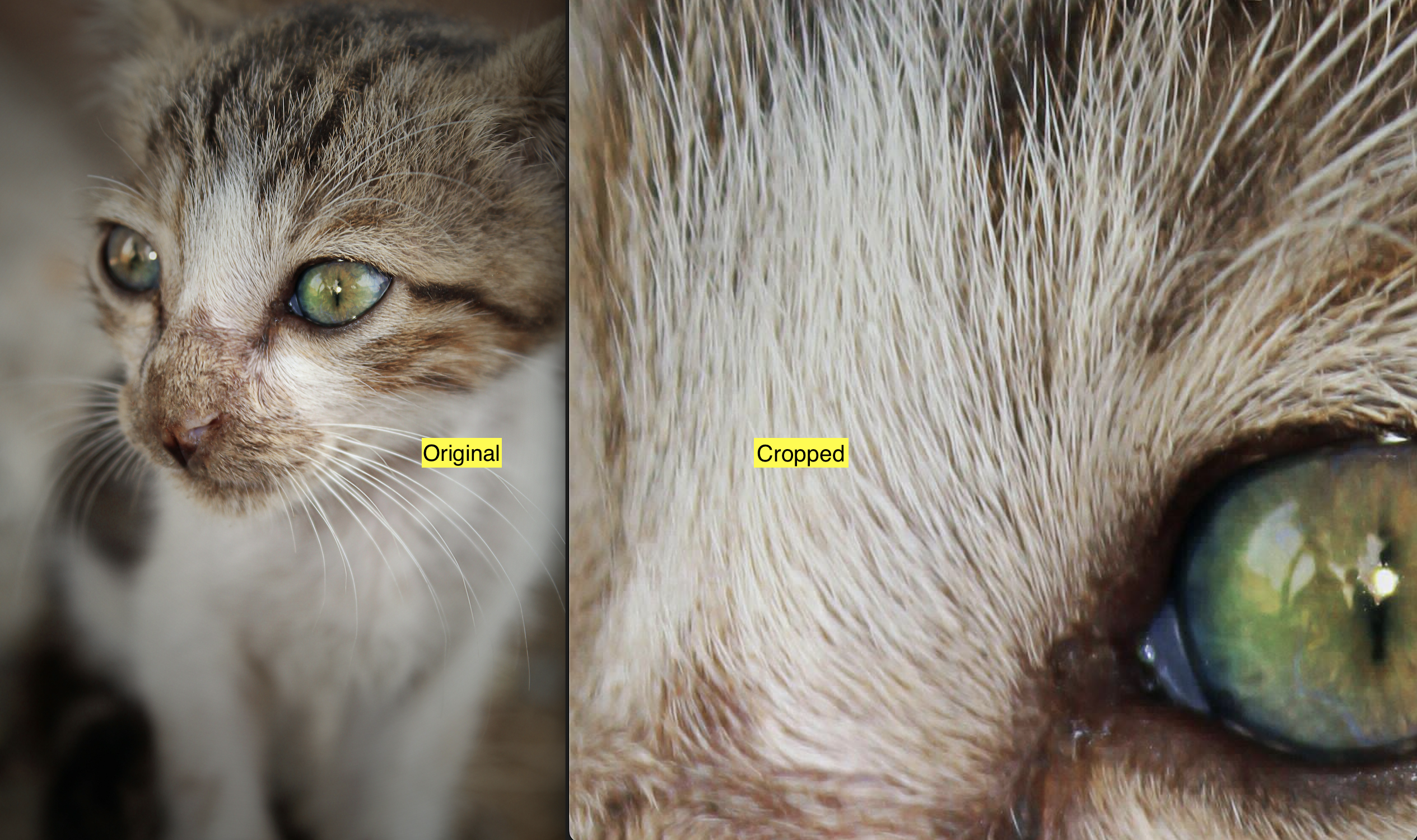
Image cropping
ImageProcessingOperations operations = new ImageProcessingOperations();

// You can chain several operations here such as scale, blur, etc
operations.emboss();

// Apply the operations to a BufferedImage
BufferedImage modifiedImage = operations.apply(BufferedImage originalImage);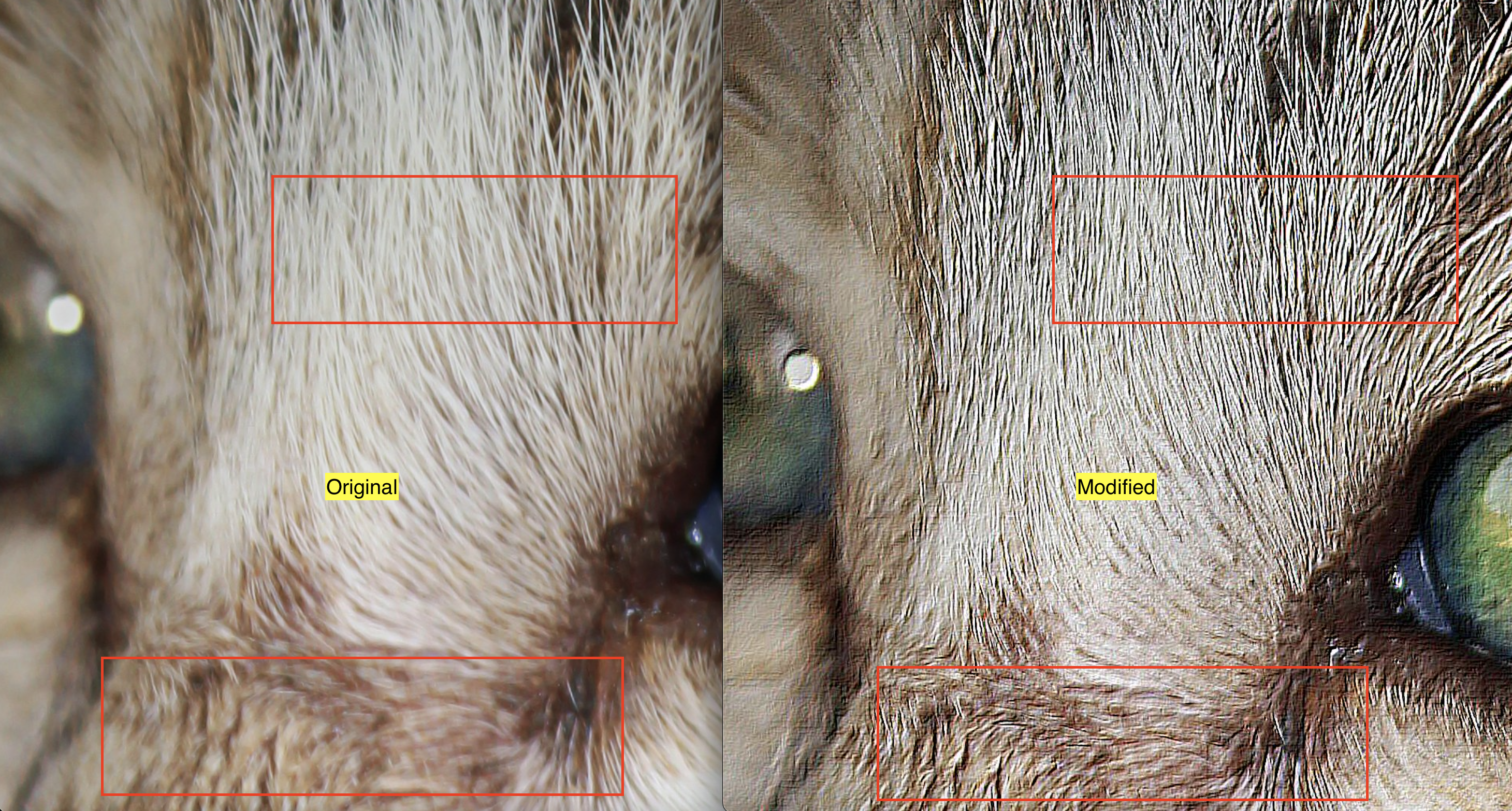
Image embossing
ImageProcessingOperations operations = new ImageProcessingOperations();

// You can chain several operations here such as scale, blur, etc
operations.mirror(MirrorOperations.HORIZONTAL); // use MirrorOperations to specify the mirroring operation to use

// Apply the operations to a BufferedImage
BufferedImage modifiedImage = operations.apply(BufferedImage originalImage);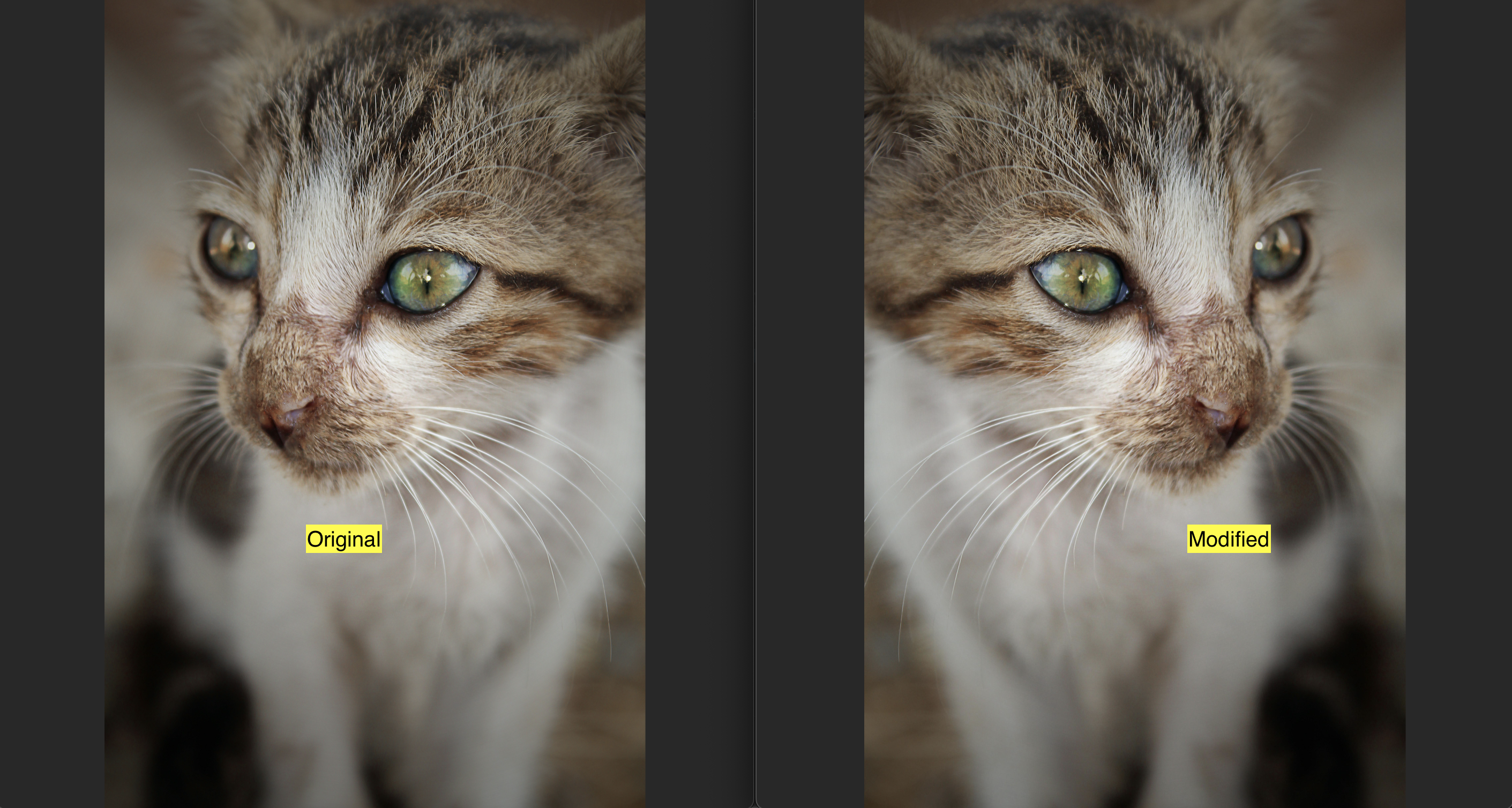
Image mirroring
ImageProcessingOperations operations = new ImageProcessingOperations();

// You can chain several operations here such as scale, blur, etc
operations.resizeToFit(100, 100); // make image fit into a box 100x100 pixels preserving aspect ratio

// Apply the operations to a BufferedImage
BufferedImage modifiedImage = operations.apply(BufferedImage originalImage);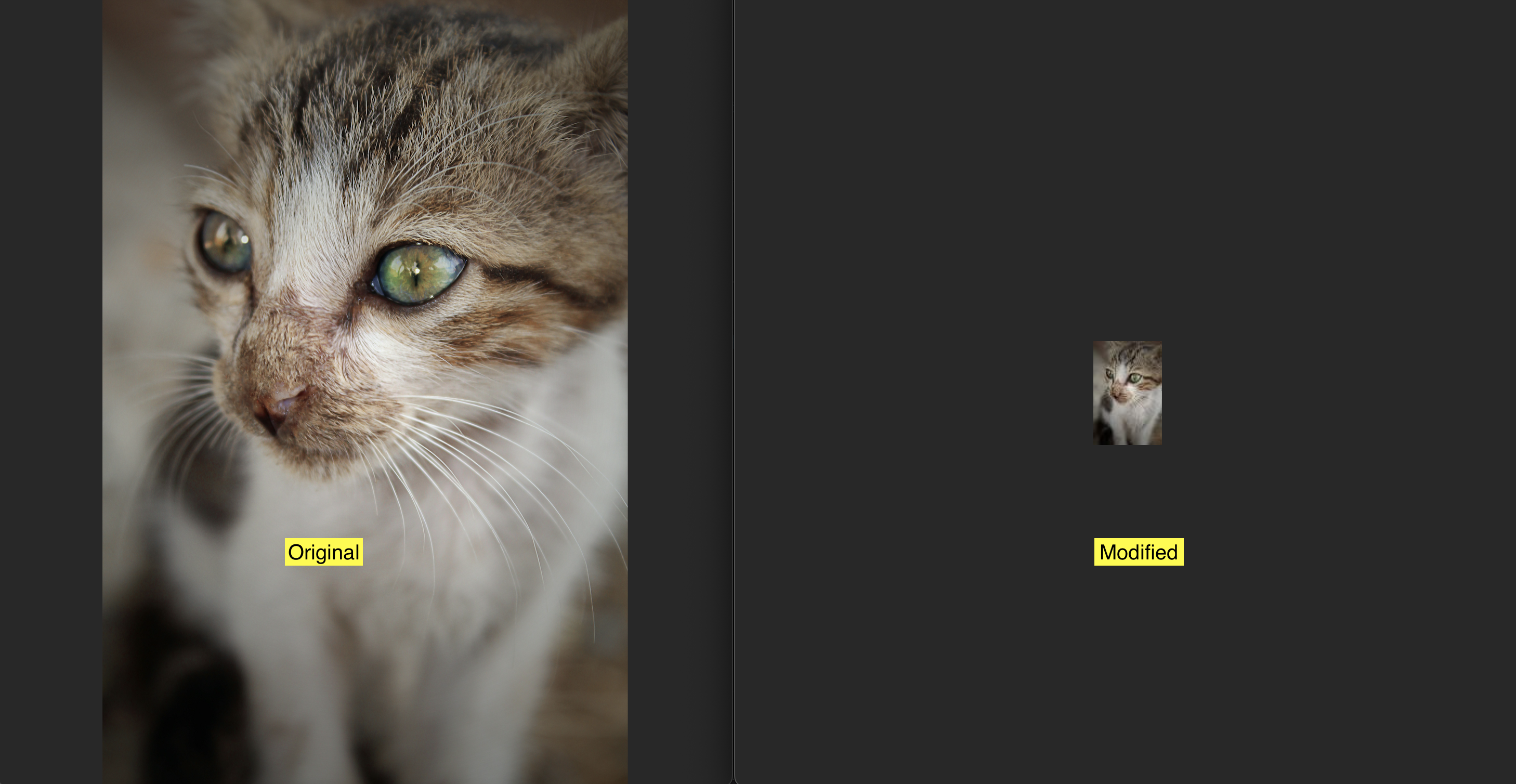
Image resizing
ImageProcessingOperations operations = new ImageProcessingOperations();

// You can chain several operations here such as scale, blur, etc
operations.rotate(90); // Rotate the image 90 degrees

// Apply the operations to a BufferedImage
BufferedImage modifiedImage = operations.apply(BufferedImage originalImage);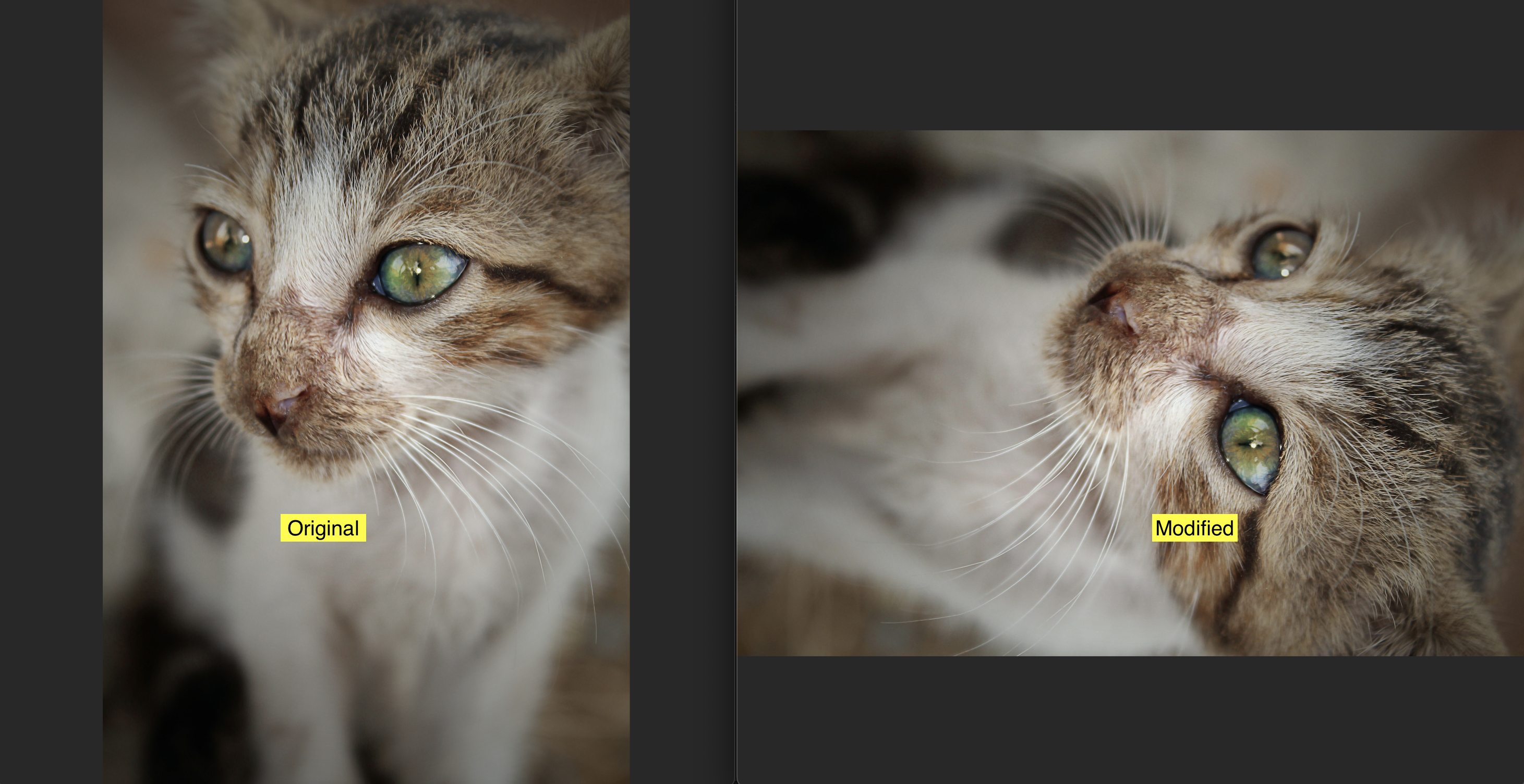
Image rotating
ImageProcessingOperations operations = new ImageProcessingOperations();

// You can chain several operations here such as scale, blur, etc
operations.sharpen();

// Apply the operations to a BufferedImage
BufferedImage modifiedImage = operations.apply(BufferedImage originalImage);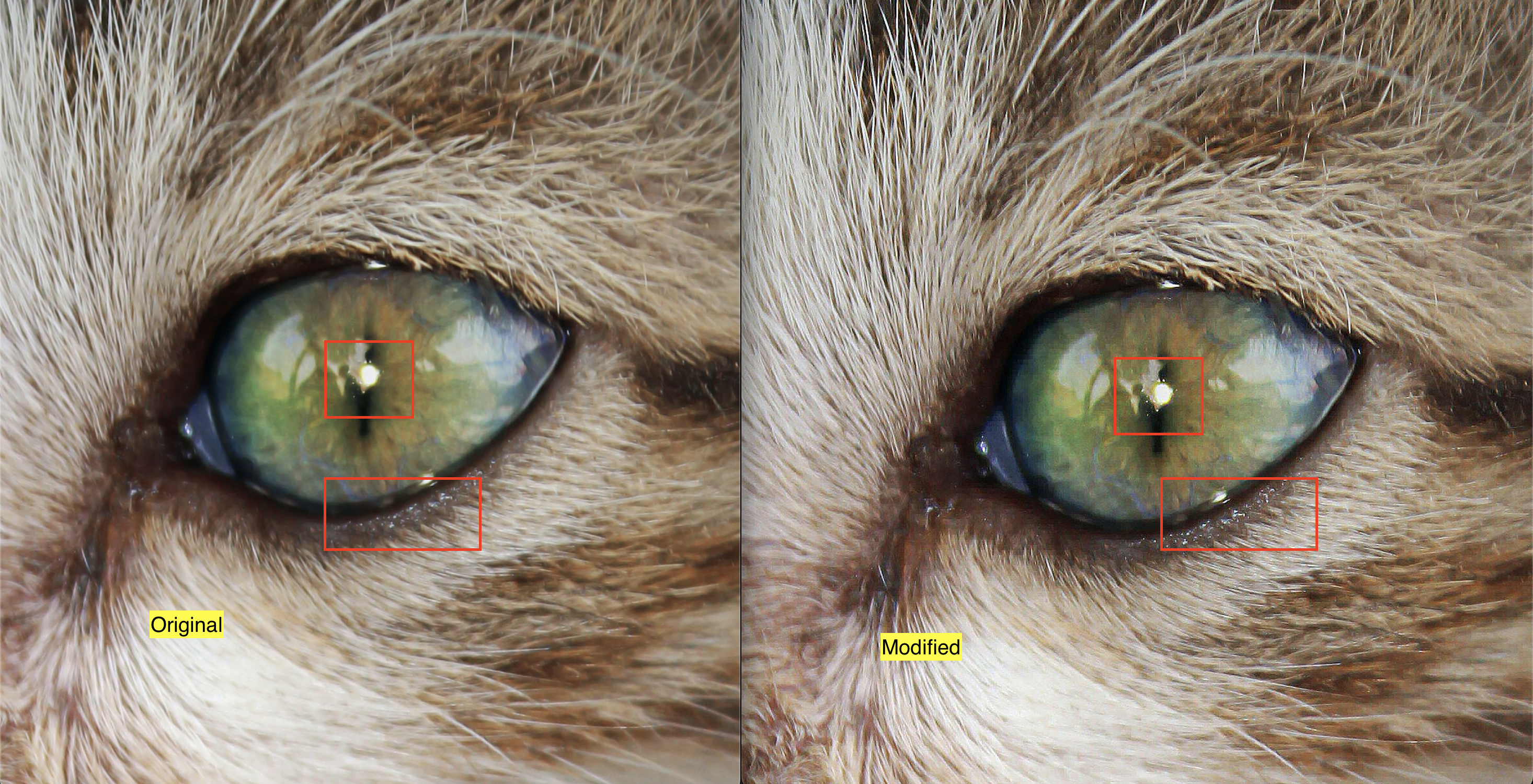
Image sharpening
ImageProcessingOperations operations = new ImageProcessingOperations();

// You can chain several operations here such as scale, blur, etc
operations.thumbnail(64, 64);

// Apply the operations to a BufferedImage
BufferedImage modifiedImage = operations.apply(BufferedImage originalImage);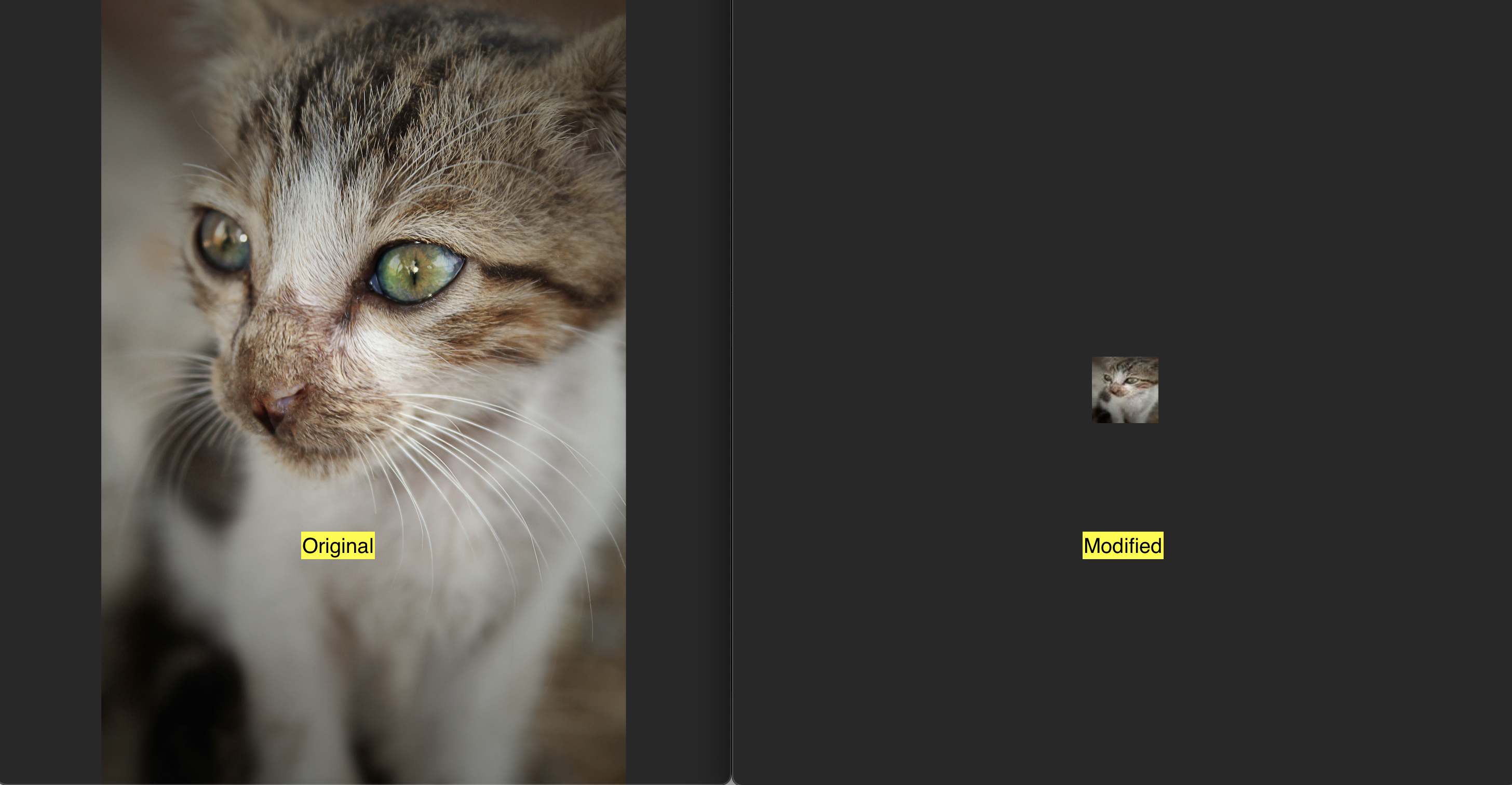
Image thumbnailing
ImageProcessingOperations operations = new ImageProcessingOperations();

// You can chain several operations here such as scale, blur, etc
operations.watermark("Watermark Text", Color.BLUE, new Font("Arial", Font.BOLD, 30), FitToImage);

// Apply the operations to a BufferedImage
BufferedImage modifiedImage = operations.apply(BufferedImage originalImage);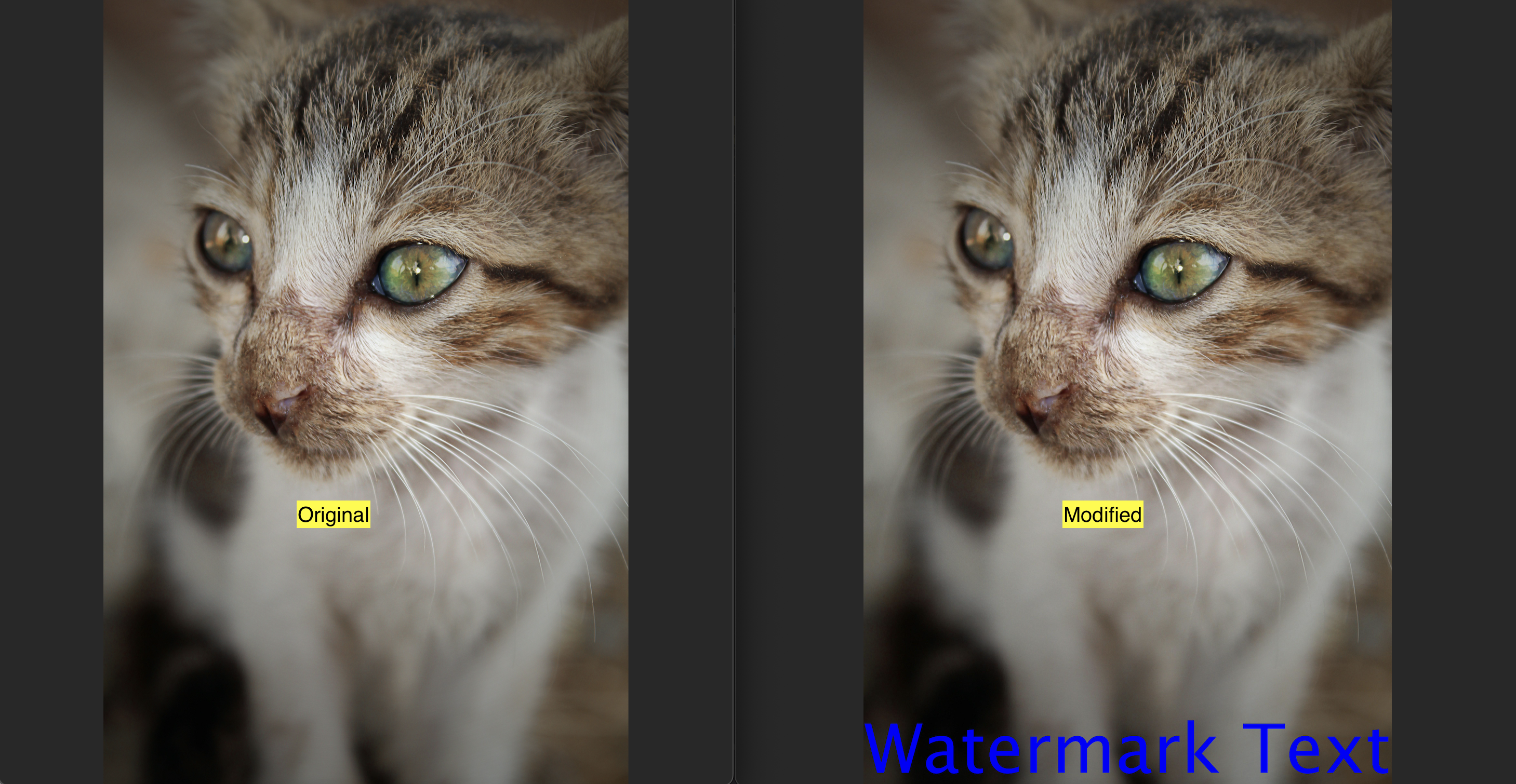
Image watermark
Developer-Focused Solution for Image Processing
More Dedicated Ecosystem
Other solutions: target different languages and frameworks to reduce the need for complex image editors
JDeli
: enterprise-level library built exclusively for Java developers to address the limitations of Java’s built-in ImageIO and JAI librariesWider Format Support
Other solutions: support common image formats, including JPEG, PNG, BMP, TIFF, and GIF
JDeli
: includes all formats that most other solutions support as well as niche ones like AVIF, HEIC, JPEG XL, DICOM, TIFF, and WebP for developers working in niche fields.Better Performance
Other solutions: performance benchmarks are less frequently published or unavailable at all
JDeli
: outperforms many competitors in speed, especially with image reading and writingEasier Integration
Other solutions: developers may face integration issues with platforms like Appian, leading to slow onboarding
JDeli
: easy to integrate into existing Java codebases. ImageIO.read and ImageIO.write can be replaced with JDeli equivalents or use its plugin, so developers won't have to rewrite large pieces of codeHow do you achieve such good performance? So many companies attempting writing image codecs in Java end up in far slower performance or claim better performance requires native code.
- David E. (Lead developer and founder of jAlbum)
JDeli vs. Open-Source Alternatives
Most developers try open source first — that's the right call. Here's what they typically find.
No Pure Java AVIF or HEIC Support
Most open source Java image libraries don't support AVIF or HEIC at all. The ones that do are JNI wrappers around native C libraries — which means native installs on your server, JVM crash risk, and a build that can no longer ship as a single JAR.
Unmaintained Libraries Break on Upgrade
Oracle dropped JPEG 2000 from Java. JAI is unmaintained. When you upgrade your JDK, these libraries stop working and nobody fixes them. Security scans flag them as unsupported software before there's even a CVE.
No Support in Production
When a customer-uploaded image exposes a bug in an open source library, you're filing a GitHub issue and hoping the maintainer responds. JDeli customers get same-day fixes from the engineers who wrote the code.
JDeli is written from scratch in pure Java — no native code, no JNI, no external dependencies. One JAR covers AVIF, HEIC, TIFF, WebP, JPEG 2000, and 15+ formats. The ImageIO plugin means your existing code needs no changes.
Actively maintained with regular releases and fast, named support. Performance comparisons and security documentation available.
Trusted by Companies around the World






We replaced all our various image processing code with JDeli, which allowed us to smoothly migrate to Java 11. The support from IDR solutions is just great. Whenever we came across a strange image from our customers which JDeli couldn't read properly, IDR fixed it in less than a day.
- Developer in SME Financial Services Company
Image Processing Guides
Frequently Asked Questions
What image processing operations does JDeli support?
JDeli supports resize, crop, rotate, flip, sharpen, brighten, watermark, and colour-space conversion. Operations can be chained and applied in a single call using ImageProcessingOperations.
How do I resize an image in Java with JDeli?
Create an ImageProcessingOperations instance, call .scale(width, height), then pass it to JDeli.read() or JDeli.convert(). See the full operations list for all resize options.
Can I apply multiple image processing operations in one step?
Yes. ImageProcessingOperations is a builder: chain as many operations as needed and pass the instance to any read, write, or convert call. JDeli applies them all in a single pass.
Does JDeli support watermarking images in Java?
Yes. JDeli can overlay text or image watermarks as part of an ImageProcessingOperations chain, applied during read or conversion.
Does JDeli require native libraries for image processing?
No. All image processing operations (resize, crop, rotate, watermark) run in pure Java with no JNI. There is no native library to install or maintain, and no risk of JVM crashes from native heap errors.
Does JDeli make network calls when processing images?
No. JDeli processes images locally on your server. It makes no network calls, has no licensing server, and sends no telemetry. Suitable for air-gapped pipelines and workloads where image contents must stay within your infrastructure.
Three Steps to Manipulate Images in Java
1.
2.
3.