Why our customers buy FormVu?
What problems does it solve and what benefits does it offer over alternatives
Why companies buy FormVu
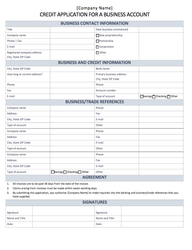
The trigger is almost always the same: a browser or platform changed and PDF forms stopped working. FormVu converts them to HTML once, server-side. Existing forms keep working without rebuilding.
Data stays on your servers
FormVu runs entirely on your own infrastructure. Form data never leaves your servers. For banks, insurers, and anyone handling confidential documents, this is non-negotiable.
Works across all browsers
Converted forms work in Chrome, Edge, Firefox, and Safari, on mobile, tablet, and desktop. Users see the same form they always have, with no plugins.
Slots into existing workflows
Converted forms integrate into HTML pipelines without rebuilding. Fields, logic, and submission behaviour are preserved.
Flexible data submission
Submit form data as JSON, XML, standard HTML, or back into the original PDF. No extra transformation steps.
Familiar interface, zero retraining
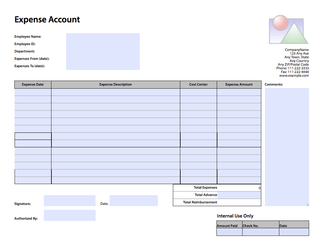
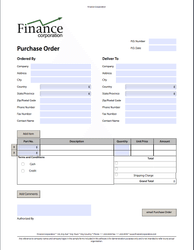
Converted forms retain the appearance and layout of the original PDF. Users do not need to learn a new interface.
No dedicated server required
FormVu runs from the command line with no infrastructure overhead. It does not require a dedicated server, an Adobe license, or per-document processing fees.
How FormVu compares to Adobe
Adobe's PDF form solution requires a dedicated server and significant per-document manual rework. For organisations with hundreds of forms, that cost compounds quickly.
FormVu runs from the command line, needs no dedicated server, charges a flat fee with no per-document costs, and keeps all data on your own infrastructure. Customers converting large form libraries consistently find it a fraction of the Adobe cost, with conversion quality that matches their existing forms.